


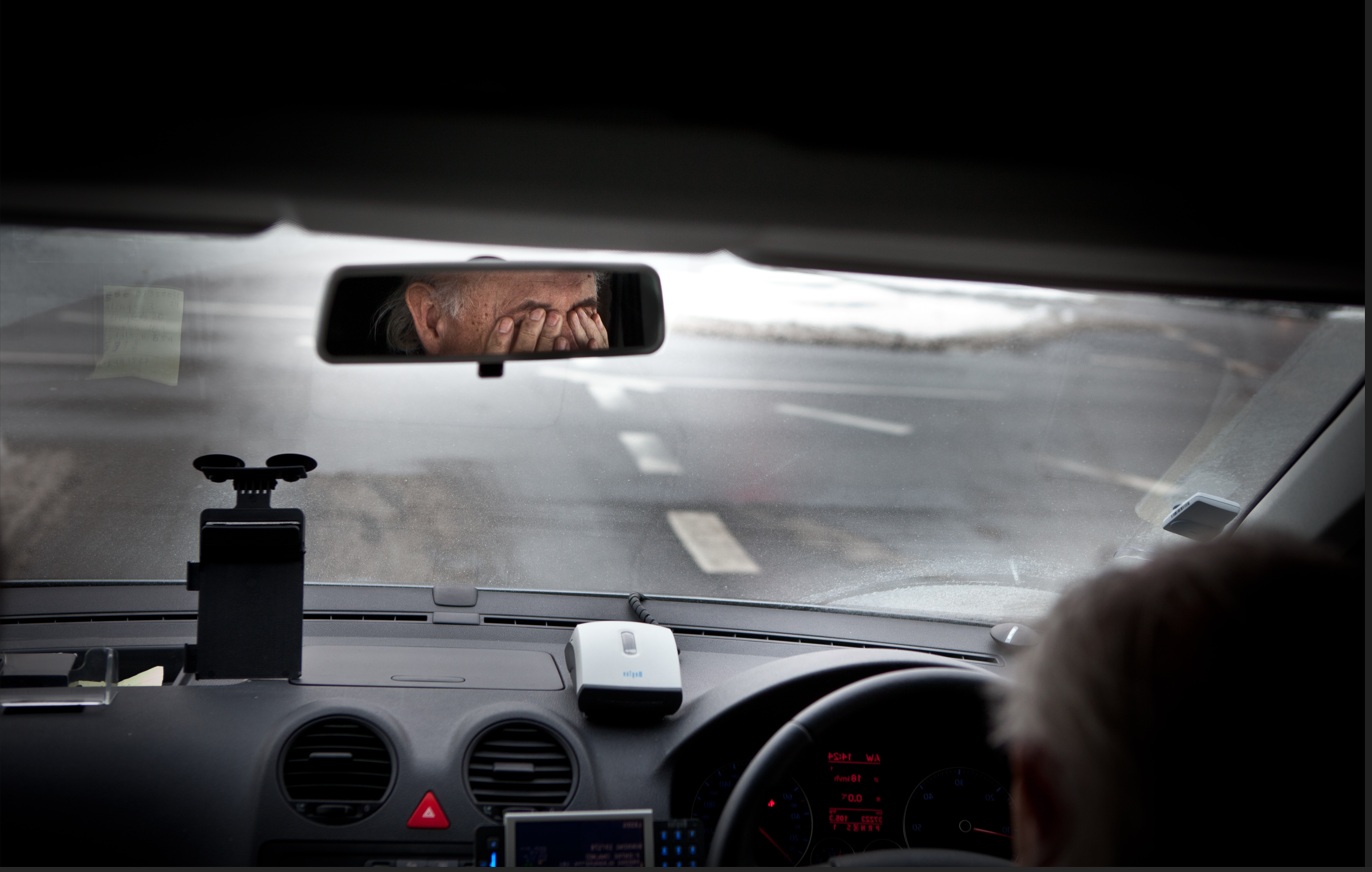
Along with social gatherings during the festive season is an increased risk of drowsy driving crashes. Long journeys, late-night celebrations, and disrupted sleep schedules make this period particularly dangerous on the roads.
The CEO of MasterDrive, Eugene Herbert, cautions that drowsiness does not strike suddenly. “Driver fatigue is a gradual process that unfolds gradually. Your body sends increasingly urgent warning signals, creating an opportunity to respond before you become a danger on the roads.
“If you understand the progressive nature of becoming fatigued behind the wheel, you can respond to the warning signs immediately. When you recognise these signals early and take them seriously, rather than dismissing them or convincing yourself you can power through it, you can potentially avoid the tragic consequences of drowsy driving,” says Herbert.
Stage one: subtle changes
The first signs can be easy to miss. “Your blink rate will increase, and your eyelids will feel heavier than usual. You may begin to lose focus, causing road signs or rear lights to appear slightly blurred. You might yawn repeatedly, even if you do not feel tired.
“Many drivers also experience a wandering mind at this stage. If you suddenly realise you cannot remember the last few kilometres driven, it is time to take a break,” says Herbert.
Stage two: physical impairment
Next, physical symptoms become more pronounced. “Your head may start nodding forward involuntarily, jerking you back to alertness. It will be difficult to maintain a consistent speed, with your foot unconsciously relaxing on the accelerator.
“Lane drifting is common at this stage as steering becomes less precise and corrections more abrupt. Some drivers report feeling disconnected from their actions, as though they are watching themselves drive rather than actively controlling the vehicle,” says Herbert.
Stage three: micro-sleeps
You many not even be aware of the most dangerous stage. “Micro-sleeps are brief episodes where you fall asleep for a few seconds. Your eyes may close completely or even stay open, staring blankly ahead.
“You might miss exits or road signs – even when looking for them. Reaction times decrease dramatically. During a three-second micro-sleep you can travel the length of a rugby field completely unconscious,” says Herbert.
Stage four: behavioural warning signs
Beyond physical symptoms, decision-making is affected. “You can become irritable or restless. Other signs include struggling to remember offramps or landmarks and having trouble judging distances. These cognitive changes indicate changes in alertness.”
If you recognise any of these signs, act immediately. “Do not convince yourself you can push through to your destination. Pull over at the nearest safe rest stop, stretch your legs or even take a power nap. Your destination will still be there after a rest but the opportunity to recognise and respond to drowsiness will not wait,” says Herbert.