


The recent Jetour Africa Expedition was designed to be more than an automotive adventure.
While the landscapes were spectacular, it was giving back to communities and organisations in need along the way that left the most lasting impression with the expedition team.
Jetour’s Africa Expedition documentary was a journey undertaken over 15 days across South Africa, bringing the brand’s Travel+ philosophy to life through exploration, adventure and cultural connections. The Jetour T2 convoy was put to the test across diverse landscapes and challenging terrains, from Johannesburg through KwaZulu-Natal to Sani Pass and Lesotho, before continuing through the Eastern Cape, along the Garden Route through Knysna, George and Oudtshoorn, over Swartberg Pass and through Swellendam, before ending in Cape Town last month.
"We didn’t just want to drive through South Africa. We wanted to leave it a little better than we found it, with every T2 carrying something that matters," says Shaun Steynburg, Head of Marketing at Jetour South Africa. “A key objective of the expedition was to support people and organisations already making a meaningful difference in their communities and taking the time to understand their specific needs”.
Rather than focusing on grand gestures, the emphasis was on providing practical, direct support that could make a tangible difference, while also sharing their stories, raising awareness of their efforts and highlighting the positive impact of their work though the documentary.
The expedition team, comprising a photographer, producer, director, videographer, drone operator, technical advisor and expedition driver, first partnered with Surfers Not Street Children. This NGO in KwaZulu Natal uses surfing and mentorship to help vulnerable young people develop confidence, discipline, self-worth and opportunities for a better future.
With the long-term objective being to provide sustained opportunities for young athletes, rather than a once-off experience, the support provided by Jetour’s Africa Expedition included financial assistance to help qualifying surfers attend the South African Championships, and transport for surfers and their equipment to the competition.
Here, local Jetour dealers and selected customers were also involved, contributing equipment and funding while engaging with the young surfers, their coaches and mentors.
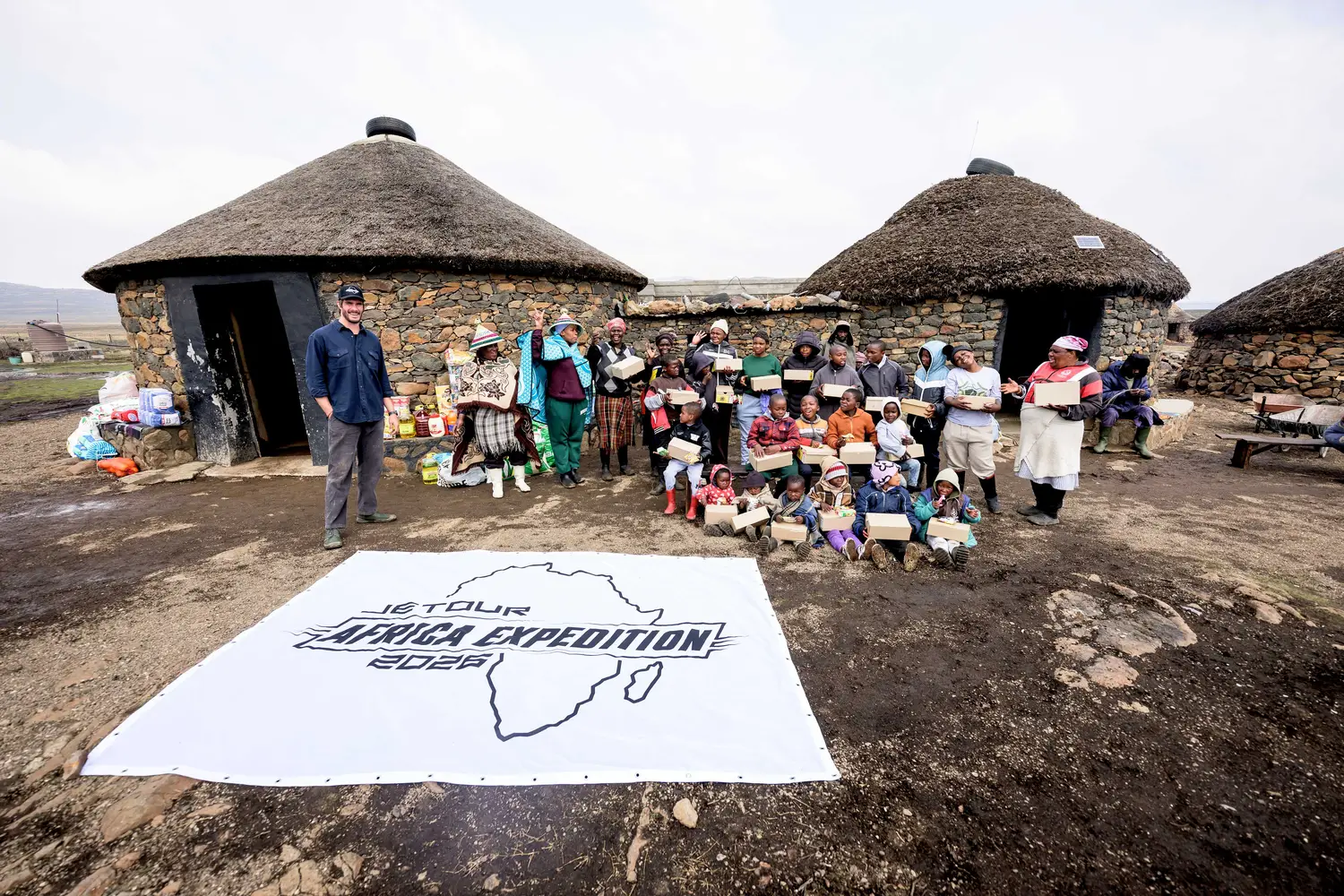
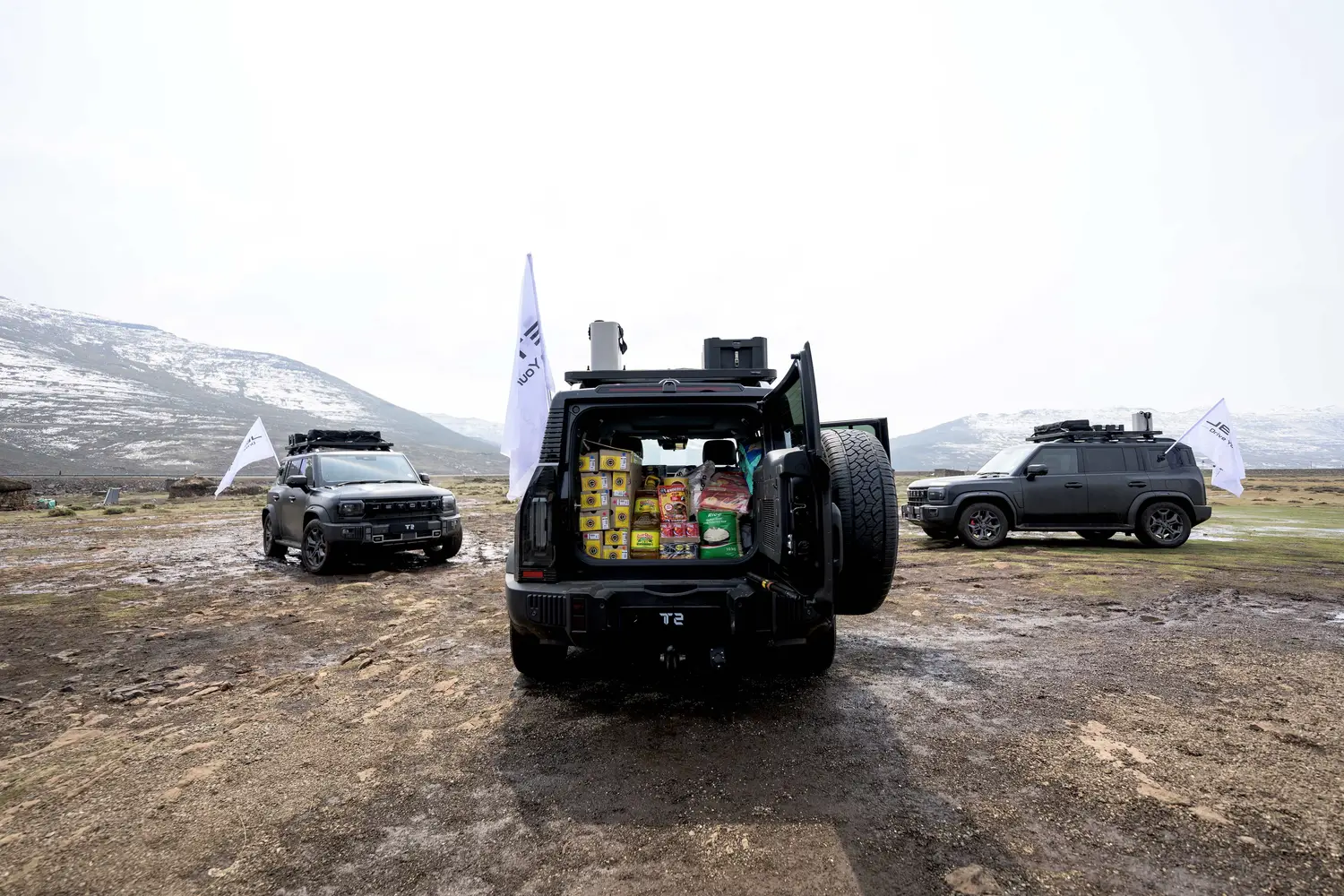
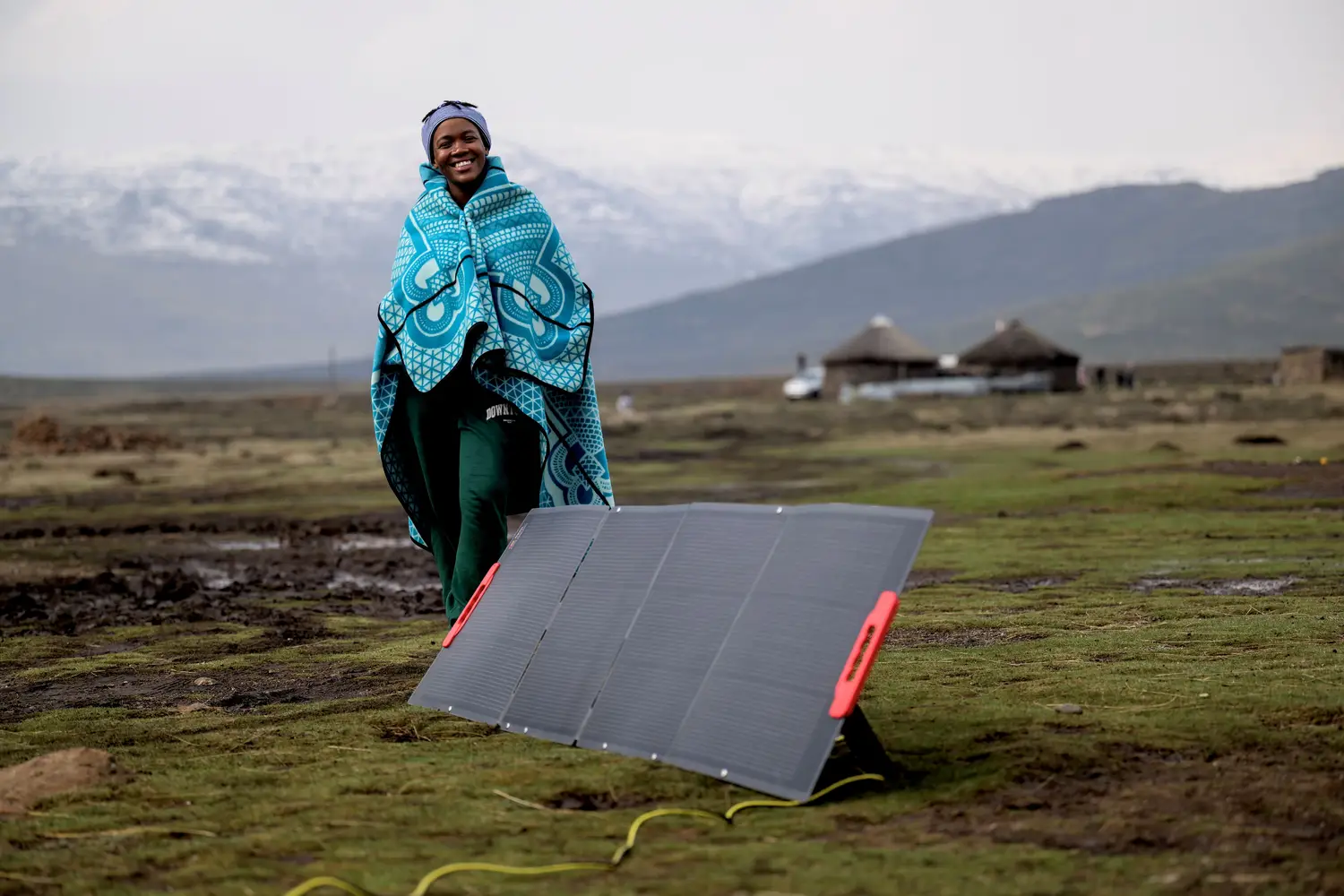
With climbing Sani Pass being part of the itinerary, the team had already identified a remote community approximately 10 km beyond Sani Pass in Lesotho, who were in the need of sustainable power supplies. Solar panels, portable power stations and essential equipment were supplied, along with installation and the provision of follow-up support. Food, clothing, and educational supplies were also supplied.
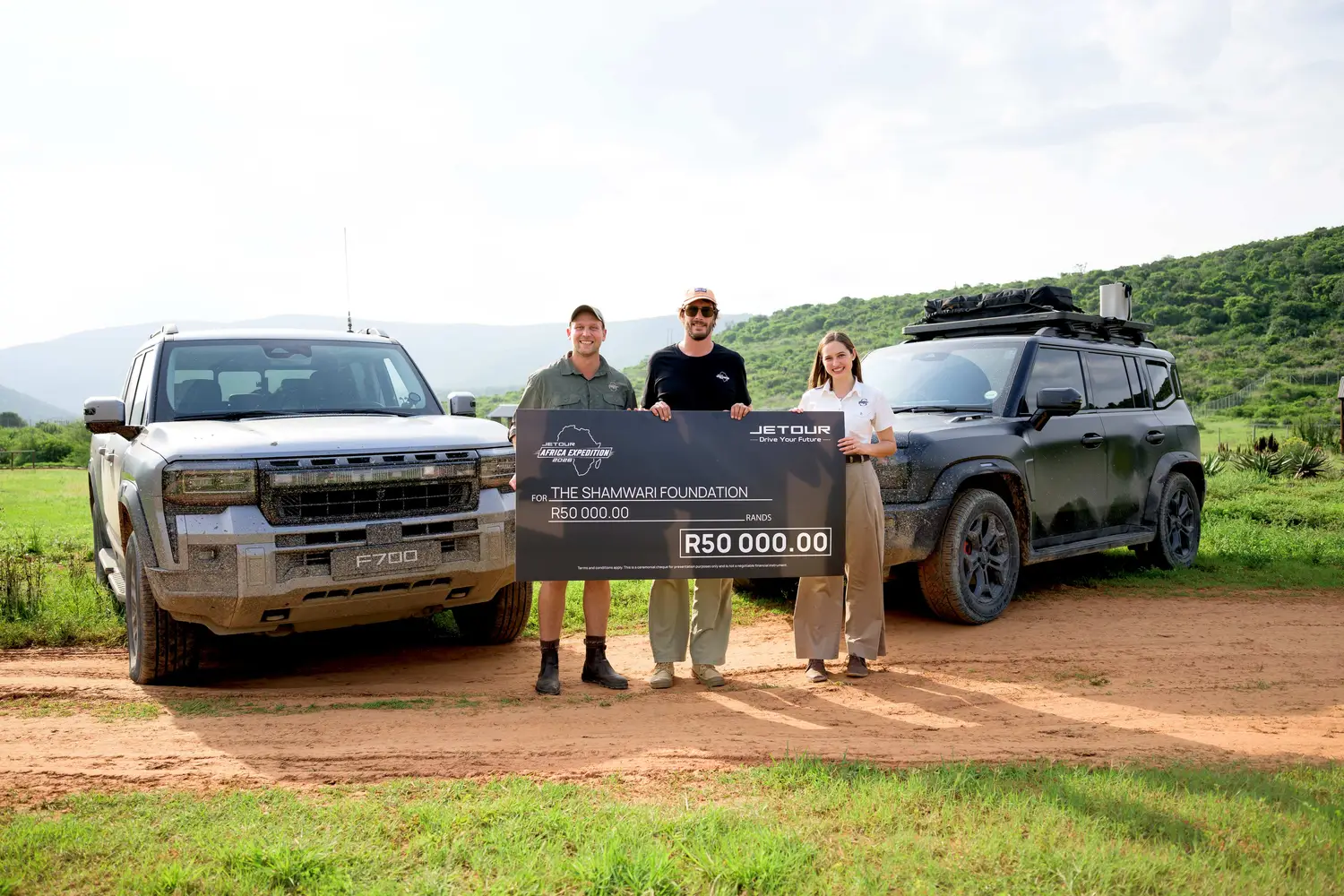
As the team headed from Lesotho through the Eastern Cape, their next stop was Shamwari. Shamwari is a private game reserve that, through the Shamwari Foundation, supports a number of incredible conservation and community initiatives. These range from wildlife rehabilitation, leopard rewilding and rhino conservation to veterinary care and support for domestic animals living in the surrounding communities. During the Africa Expedition, the team specifically supported the Foundation’s community veterinary project.This initiative does wonderful work in helping local communities care for their pets, many of whom have little or no access to veterinary services.
The Shamwari team collects animals from the surrounding communities and transports them to the reserve, where they receive the veterinary care they need. This includes surgical procedures, vaccinations, medication, food and other essential treatments. Once the animals have received the necessary care and are ready to return home, the team takes them back to their families. It really is a remarkable initiative that not only improves the lives of these animals but also provides much-needed support to the communities who love and care for them.
Support from Jetour included financial contributions towards the Shamwari Foundation’s ongoing conservation efforts, as well as raising awareness about the organisation’s important work and the importance of wildlife protection and rehabilitation through the expedition documentary, to be launched soon.
While the expedition undoubtedly showcased the capabilities of Jetour’s vehicles alongside some of South Africa’s most spectacular landscapes, it also explored ways to make a meaningful difference for those they encountered along the way.
For more information, go to www.jetour.co.za.