


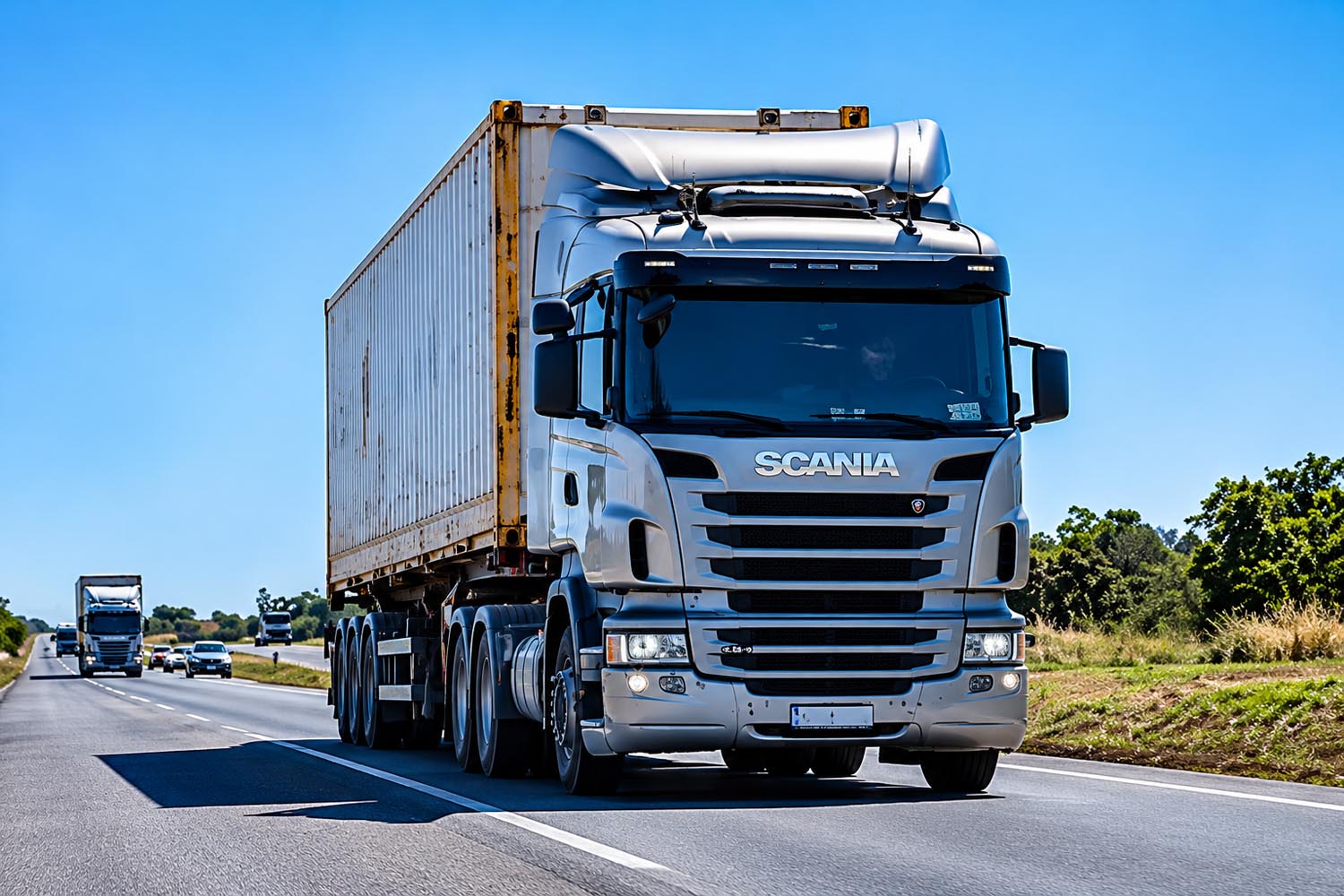
As fuel costs and festive-season delivery demands place pressure on transport operators, Lula's Garth Rossiter explains why logistics SMEs face their greatest cash flow challenges during their busiest trading period.
November is the most demanding month in the South African logistics calendar. It brings Black Friday, year-end supply chain compression and festive season fulfilment into focus , and this year it’s set against a backdrop of ongoing fuel increases. From 7 October, the wholesale price adjustment for 50ppm diesel was an increase of R3.24 per litre, while 500ppm diesel rose by R2.84 a litre. Government has announced R10 billion in temporary fuel levy relief, including a R3 per litre reduction for diesel from 04 November to 01 December, followed by a smaller R1.50 per litre reduction until 05 January 2027. For owner-operators, fleet businesses, courier networks and last mile delivery companies, access to transport business funding and working capital has become increasingly important as they navigate rising operational costs while waiting for customers to settle invoices.
“A transporter fills the tank, pays the driver and services the truck before the load leaves the depot, then waits up to 90 days for an invoice to be paid,” says Garth Rossiter, Chief Risk Officer & Head of Credit, Lula. “In November, this cost pressure increases as volumes do, and the amount the business has to pay out in advance increases in parallel. The busiest month of the year is also the month in which the business carries the most cost on its own balance sheet.”
Fuel sits at the heart of this pressure. The Road Freight Association (RFA) estimates that fuel can account for around 35-55% of road transport operating costs, depending on the operation, route, vehicle and conditions. For operators that pay for the fuel upfront but allow customers to pay on credit, each delivery creates a funding gap. The business pays to move the goods before it receives payment for the work it has done. And at this time of year, the boost of additional deliveries to keep up with seasonal demand increases fuel consumption and vehicle wear, as well as driver and toll costs, again depending on the route and operating arrangements. Lula’s SME Pulse Report, published in May 2026, described fuel as the hidden tax on every item that moves through the supply chain, and for logistics companies, that tax is paid in full.
The sector has had little room to absorb these knocks. The Ctrack Transport and Freight Index rose by just 0.2% quarter on quarter in the third quarter of 2026. Road freight contracted by 2.7%, with Ctrack attributing the decline to high fuel and capital costs impacting demand. In September, Road Freight Association chief executive Gavin Kelly said operators faced a choice between increasing their rates or drawing on diminished financial reserves to protect existing customer contracts. Some have, says the RFA, incorporated fuel adjustment mechanisms into their contracts to accommodate rapid price fluctuations without breaching longer term commitments.
Logistics businesses with a full order book are stuck in this shortfall between expenditure and reimbursement and timing. The contracts are there and customers are liable, but cash has left the business and only returns when the invoices are paid. Right now, as peak season moves into high gear, the gap is widening at a point when reliable deliveries matter the most.
“When a logistics business comes to us in November it is rarely because something has gone wrong,” says Rossiter. “It usually means the contracts are in place and the trucks are fully booked, and the business needs the cash to run them until their customers pay. Funding at this point is a sign of a healthy business preparing for peak season.”
Asset-based fleet finance remains the right tool for vehicle purchasing although it does little for the cost of running them through a peak month. “Logistics businesses need working capital that can move at the speed of a delivery schedule,” says Rossiter. “Fuel is bought daily and invoices are paid monthly, so the funding sits in between the two – it is available on the day the tank needs filling and repaid when the customer settles.”
That reasoning defines how Lula assesses logistics businesses, providing funding on the strength of cash flow and their ability to generate revenue while drawing on how the business trades day to day. The transporter’s contract history and customer payment cycles are brought into the assessment as well. For Lula, a founding member of the South African SME Finance Association (SASFA), it is essential to fund SMEs against a clear code of conduct that requires transparency, fair treatment and responsible lending.
Lula’s Cash Flow Facility is designed for this pattern of trading. It operates like a line of credit without monthly account or admin fees, so an operator can draw funds for fuel, driver costs and maintenance as November volumes build, repay as customer invoices clear and pay only for what it uses, when it uses it.
“The businesses that get through November well are those who arranged their funding in advance,” concludes Rossiter. “Planning for the peak with the right funding instruments is part of running a healthy logistics business.”
For more on how South African transport businesses are managing the funding gap, visit lula.co.za.