


The old-school superbike race plan was simple: Twist the grip, find another gear, and hang on.
Today, there’s a lot more going on between the rider’s right hand and the rear tyre. Data is analysed, electronicsare fine-tuned, fitness is treated as seriously as horsepower and, behind some of the fastest riders, there’s an entire technical operation working to find the milliseconds that separate the front of the grid from everyone else.
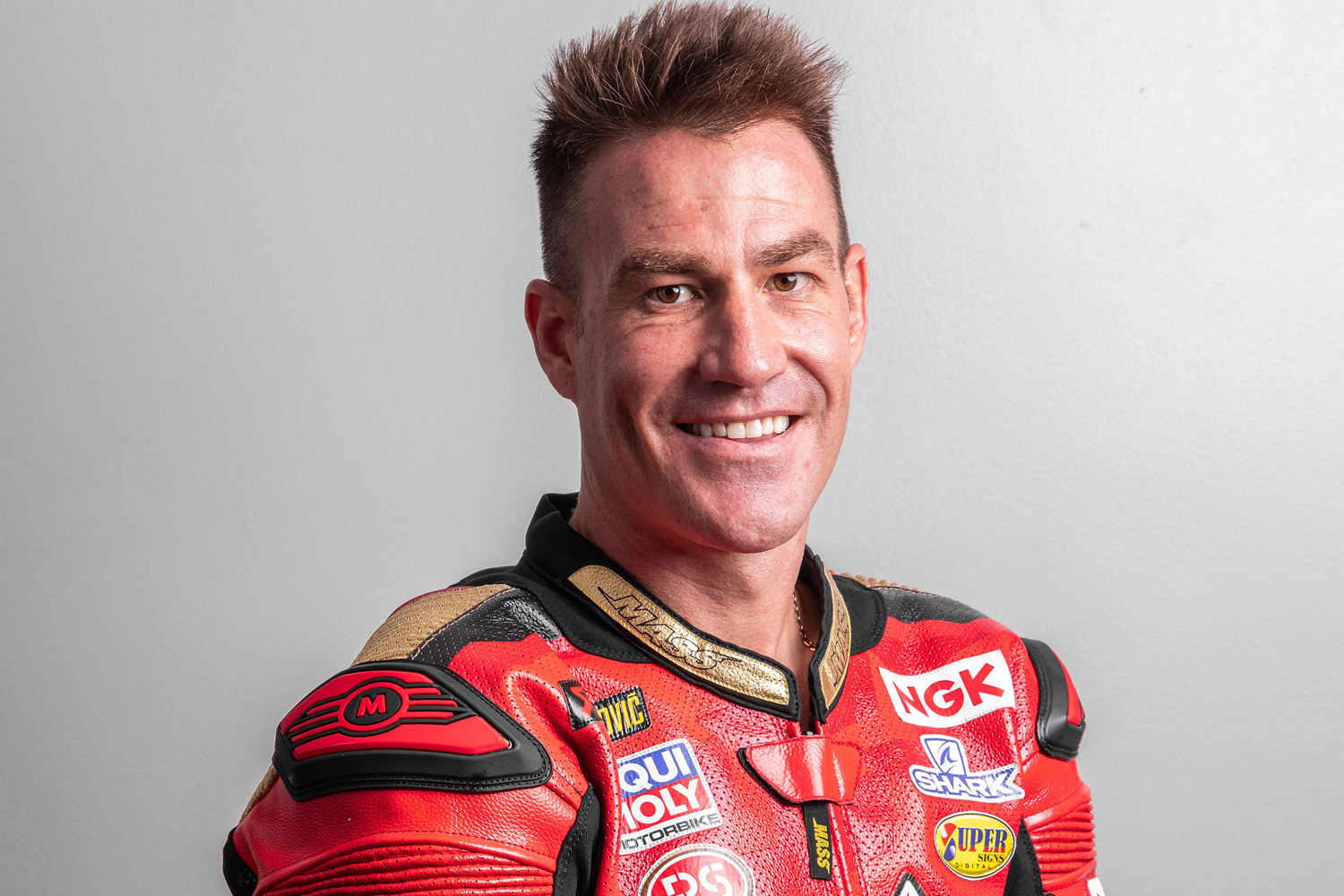
For King Price Xtreme team leader and superbike champion Clint Seller, who’s raced through much of this transformation,the biggest change isn’t simply that the bikes are faster. It’s that racing has become far more sophisticated.
He says traction control has been the biggest change. And, while this might sound like a small tech upgrade, itisn’t. On a modern superbike, electronics help manage the delivery of engine power when the rider opens the throttle, particularly when tyre grip is limited. The result is a machine that can give a rider more control and, ultimately, a safer ride, but it alsochanges the skill required to extract the best from it.
And this is the paradox of modern racing. Technology can make a bike more forgiving while making it harder for arider to find an advantage.
The rider, meanwhile, has become a very different athlete. Fitness levels have “jumped hugely” with preparationbecoming a critical part of the job and riders turning professional much younger. Seller’s own routine now includes cycling, a 150cc training bike, and Pilates, while he uses his experience to mentor teenaged riders coming through the King Price Xtreme team.
There is a generational trade-off, though.
“I think they would like the fun we used to have,” he says. “We used to race hard and party together afterwards.Nowadays the younger riders’ contracts often include social media clauses that see them making and posting videos instead of actually socialising together.”
This change in culture mirrors another major shift. Once, South African riders could build reputations and careerslargely at home. Today, talented youngsters are increasingly looking overseas early in their careers in pursuit of international opportunities.
It’s a reality Seller understands, but he’d like to see more riders recognise that South Africa can still offera serious racing career. This is why he supports initiatives such as Motorsport SA’s Short Circuit GP Series, which he sees as an important way to give young riders the opportunity to develop their skills, gain competitive experience, and build a future inthe sport without having to look overseas from the outset.
For all the sophistication of modern superbikes, however, Seller believes one thing remains old-school: racers arewarriors. “If a rider is hurt, he or she will always try to hide it so that they can continue racing. They don’t hide behind excuses.”
Perhaps this is the real evolution of South African superbike racing. The machines have become smarter. The teamshave become more technical and data driven. The riders are fitter, stronger, and start younger.
But when the lights go out, there’s still a human being throwing a leg over a 1,000cc race bike and asking it todo something that makes absolutely no sense to anyone who isn’t addicted to speed.
And that part, says Seller, will never change.