



In the last decade, South Africa has seen a steady and significant rise in the number of women in infrastructure engineering, according to the Institute of Municipal Engineering of Southern Africa (IMESA). As the country marks Women’s Month, IMESA reports that in 2005, women made up just 12% of its professional members.
A decade later, that number had grown to 23%. Today, in 2025, women account for 30% of the Institute’s membership, IMESA says.
Importantly, this increase is not the result of formal gender policies or quotas, the institute notes. It has been a natural progression that represents shifting societal norms and the broadening of opportunities in the engineering sector. IMESA’s drive to create awareness of the profession and its unwavering support for all engineers has also contributed.
“We’ve never implemented specific gender equity strategies or formal policies around this,” explains IMESA president Geoff Tooley. “What we’ve done is build a professional home for all municipal engineers, where technical excellence, ethics and service to communities are the common ground. Inclusion has followed naturally.”
To honour the growing number of women in the profession, IMESA is marking Women’s Month with events around the country and a new social media campaign, #IMESAseesU - Women in Engineering. The campaign features personal reflections from women who have built careers in municipal engineering and infrastructure development, often against the odds. It highlights the professional excellence and powerful impact being made by IMESA’s women members and leaders.
First female president
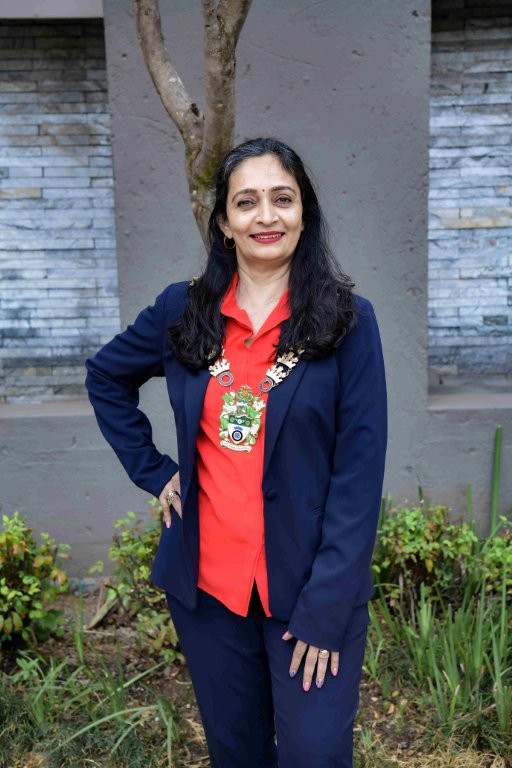 Among them is Bhavna Soni, who made history as IMESA’s first female president and currently serves as operations director for the institute’s Young Professionals and Membership portfolio. With more than 27 years of experience in eThekwini Municipality’s water and sanitation services, Soni’s career path was anything but conventional. Originally from India, she moved to South Africa after marrying a Durban-based doctor and began her engineering career in the private sector before joining the city.
“When I joined, female engineers were extremely rare,” she recalls. “But I had a passion for physics, maths and problem-solving. Once I found my way into the municipal planning division, I realised I could have a real impact, especially in water infrastructure where the needs are urgent and continuous.”
Soni says she faced challenges that are typical for women entering male-dominated professions, but family support, professional mentorship and a solution-focused mindset helped her persevere. “There are always obstacles,” she says. “But I don’t take things personally. I believe in moving forward, speaking up and not giving up. Engineering is about solving problems, not just technical ones, but human ones too. Gender should never be a limitation, and if you believe in yourself, others will, too,” she asserts.
Urban Mobility and Roads Infrastructure Management
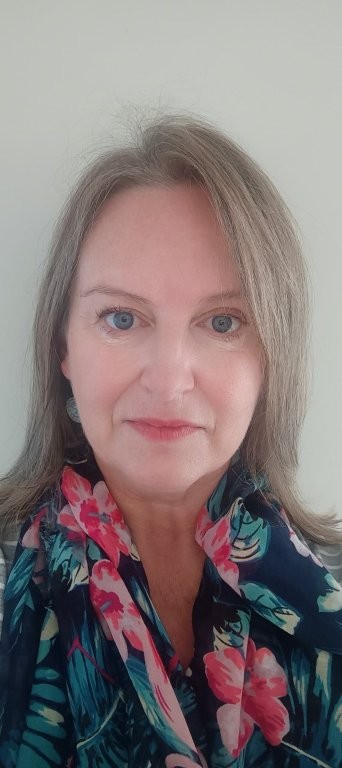 On the other side of the country, Cape Town-based Jeanine du Preez has spent over two decades in the municipal engineering environment and has been a member of IMESA and a dedicated volunteer at the institute since starting her career. She is currently a district head for Urban Mobility, Roads Infrastructure Management at the City of Cape and IMESA’s operations director of Marketing and Communications.
Du Preez’s entry into engineering was sparked by a year in the South African Army Women’s College, where she encountered the Corps of Engineers. “I had always been creative, with a passion for drawing, writing and architecture,” she says. “Engineering gave me a way to apply that in the real world. It’s both creative and technical.”
Since joining IMESA in 2003, she has held a series of leadership roles, including a 14-year term as the Western Cape branch chair. “IMESA gave me the confidence to speak publicly, to lead teams and to step into more strategic spaces. It was not just about networking; it was about personal growth.”
Commenting on gender equity in the sector, Du Preez says that she has never felt discriminated against for being a woman. “The industry was certainly much more male-dominated when I started my career and it is exciting to see that changing. However, I have never felt like I was denied opportunities because I was a woman. Although others may have had different experiences, I have found that most organisations strive for strong, diverse teams where appointments are made based on what you can offer. No one wants to get the job because of gender or race,” she stresses, adding that the ideal situation is a level playing field where everyone can contribute equally to South Africa’s economic growth and our people’s wellbeing.
Academic research and firsthand experiences
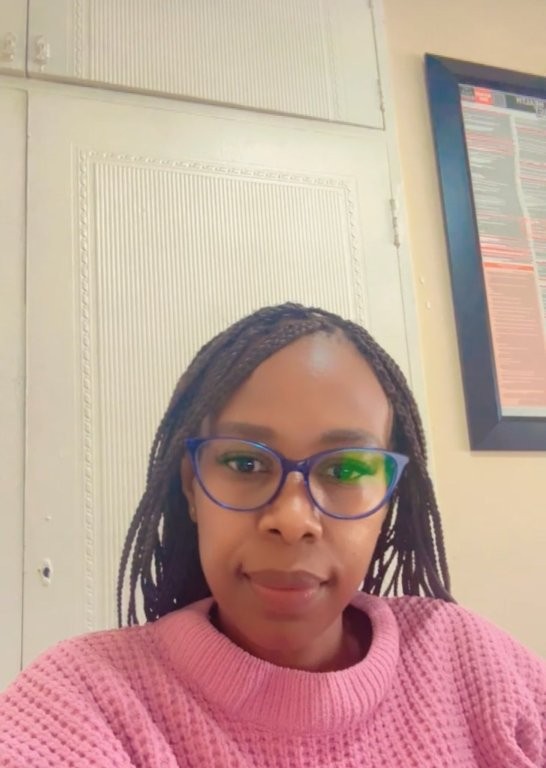 From IMESA’S Northern Provinces branch, Matseliso Fosa brings a perspective rooted in her academic research and firsthand experiences. A Professional Engineering Technologist and IMESA Council member, Fosa recently completed a Master’s degree at Wits University focusing on the effectiveness of the existing strategies for retaining women in the construction industry.
“There’s definitely been progress,” she says, “but the number of women in senior roles and on boards remains worryingly low. Representation is improving in technical posts. It is not happening fast enough in management,” she expands.
Fosa’s journey into engineering began in childhood. “I was exposed to basic science at a young age, and I knew early on that this was my path. Even when it’s been difficult - such as when I have been ignored in the workplace or my comfort has not been considered - I’ve pushed twice as hard and stayed focused. I have always reminded myself why I chose this field. What inspires me every day is being able to contribute to improving infrastructure for the betterment of communities and to enhance the delivery of services.”
Fosa is clear on the changes needed to get more women engineers into leadership: “Organisations need to offer real promotion pathways for women, not just token inclusion. Gender equality must be structural, not symbolic. That includes fair hiring, respectful work environments and targeted mentoring.”
She emphasises the role that IMESA has played in her career growth. “Being part of a professional body that supports and recognises all engineers equally and offers women the same opportunities to lead and share their views is crucial. IMESA has supported me, and now I’m doing the same for others - mentoring my colleagues as they work towards professional registration.”
Focus on engineering not gender
Soni echoes this and stresses the value of a professional community like IMESA where the focus is on engineering and professionalism, not gender. “IMESA gave me the opportunity to serve as a president and that opened new doors for me.”
While their journeys and experiences have been different, all three women agree on one thing: the importance of visibility, support and believing in yourself.
“Leadership starts at home,” says Soni. “How we raise girls and boys to value each other’s contributions is where it begins.”
Du Preez adds: “Let’s show young women that they can lead with strength as well as kindness and consideration. I strongly believe in leadership through example. It is important to take the time to help shape other women, to give them guidance and opportunities to express themselves in this great environment. Engineering offers a wide spectrum of career opportunities where you can make a difference and serve local communities - especially if you opt to join a local Council or Metro.”
Fosa’s message for young women aspiring to a career in infrastructure engineering is: “Be your own role model. Ask for help. Work hard. And know that the system is slowly changing - in part because we are changing it.”